
Blog Details
2

Introduction
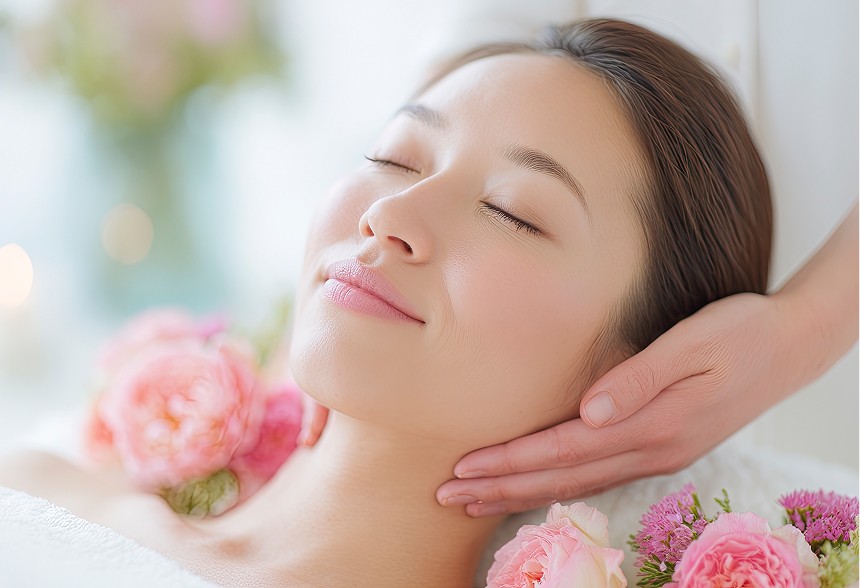
Long before language, before medicine, before any formal understanding of the human body, people instinctively reached out to touch one another in moments of pain, fear, and grief. That instinct was not accidental. It was — and remains — one of the most sophisticated healing mechanisms available to the human organism. Touch communicates safety to the nervous system in a way that words cannot replicate. It regulates heart rate, lowers blood pressure, reduces the concentration of stress hormones in the blood, and triggers the release of oxytocin, the neurochemical most closely associated with trust, bonding, and emotional security. Modern massage therapy is, at its core, a formalization of this ancient, biological truth.
The Nervous System and the Language of Touch
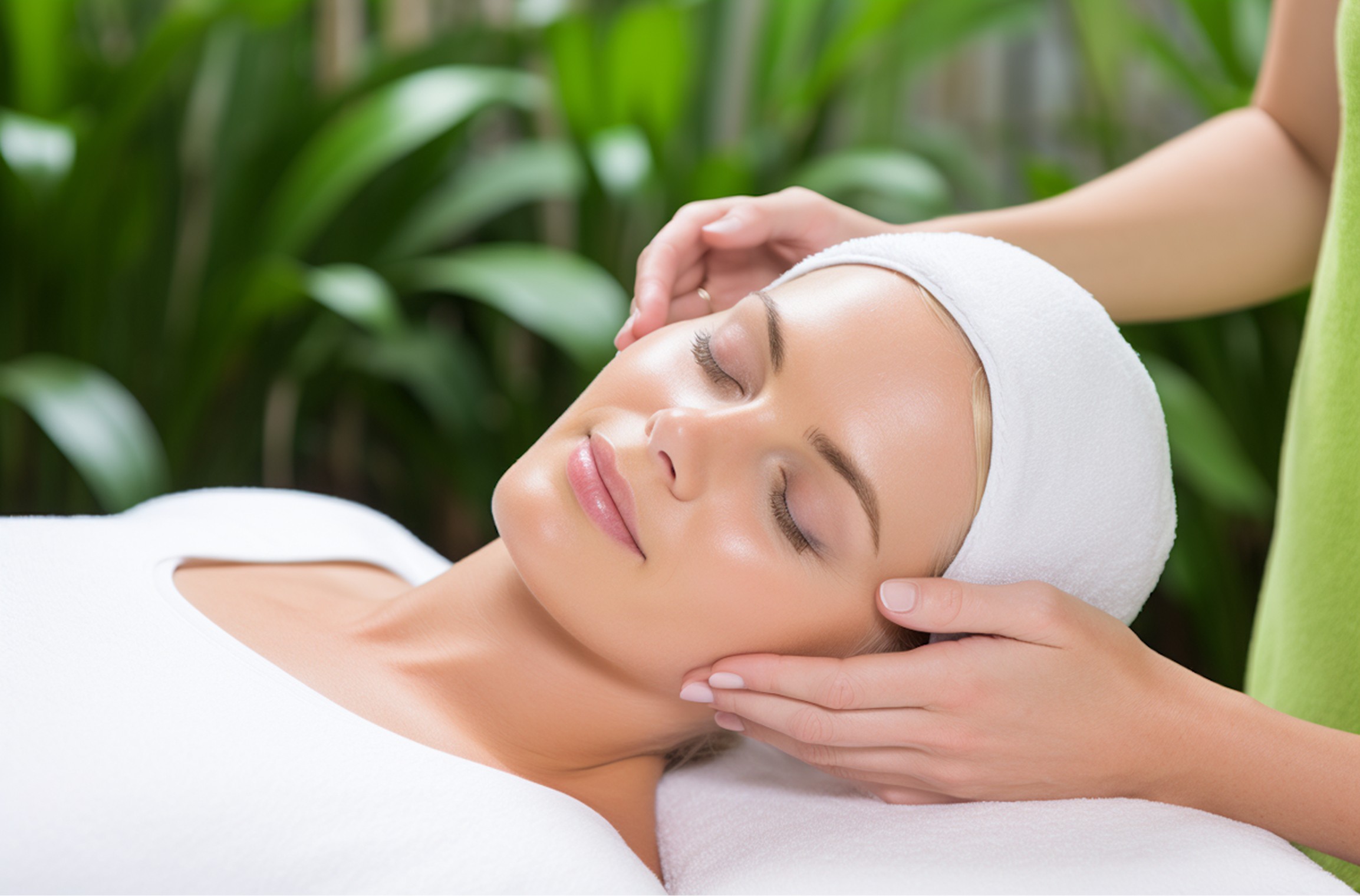
The skin contains an extraordinary density of sensory receptors, each tuned to different qualities of touch — pressure, temperature, vibration, and movement. When these receptors are stimulated through skilled, intentional massage, they send signals along specific nerve pathways — notably the C-tactile afferents — that are wired directly to the brain's reward and social bonding centers. This is not a metaphor; it is a measurable neural pathway that evolved specifically to process affiliative, nurturing touch. Activation of this system slows brainwave activity, reduces the firing of the amygdala (the brain's threat-detection center), and creates neurological conditions that are almost impossible to achieve through cognitive effort alone, no matter how dedicated the practice.
What the Research Tells Us
The clinical evidence for therapeutic touch has grown substantially over the past two decades. Studies conducted across hospitals, oncology wards, neonatal units, and rehabilitation centers have consistently demonstrated that regular massage reduces perceived pain, shortens recovery time, improves immune markers, and decreases symptoms of anxiety and depression. Premature infants who receive regular gentle touch gain weight faster and are discharged earlier. Cancer patients receiving massage during chemotherapy report significantly lower levels of treatment-related anxiety and nausea. Elderly individuals in care facilities who receive regular therapeutic touch show measurable improvements in mood and cognitive engagement. These are not anecdotal observations — they are published, peer-reviewed findings.
"The skin is the body's largest organ — and the most underutilized pathway to healing."
Conclusion
We live in an era that has simultaneously elevated our understanding of the body and disconnected us from one of its most fundamental needs. Touch is not a supplement to healing — in many contexts, it is the mechanism of healing itself. When we invest in regular therapeutic massage, we are not treating ourselves to something extra. We are restoring something essential — a form of communication between body and mind that our nervous systems have relied upon since the very beginning of human existence.